SoftBank to Buy ABB Robotics for $5.4B

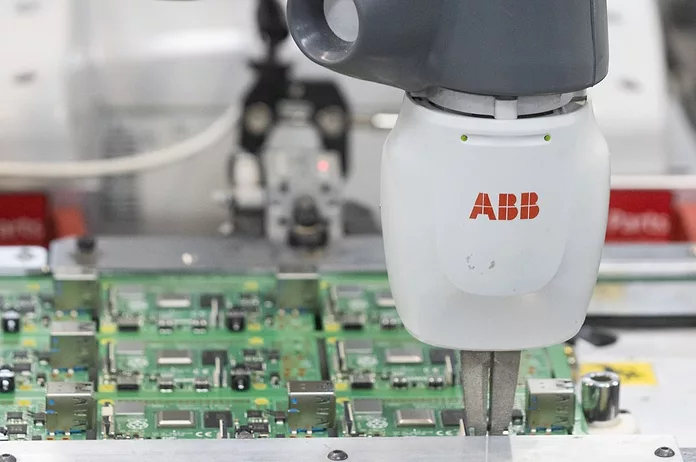
SoftBank to Buy ABB Robotics for $5.4B
The deal at a glance
- SoftBank Group will acquire ABB’s robotics division for $5.4 billion.
- The transaction ends ABB’s plan to list the unit separately.
- Both companies frame the deal as a catalyst for AI-led robotics.
Transaction overview
SoftBank Group has agreed to purchase ABB’s robotics division for $5.4 billion, expanding its push into AI-powered machines and ending ABB’s plan to list the unit separately.
ABB said it will deploy the proceeds according to its established capital allocation framework, without detailing specific uses. The company had previously explored carving out the robotics business, but will no longer pursue a separate listing following the deal.
Strategic vision
ABB CEO Morten Wierod said both companies see the industry entering a new era of AI-led robotics and believe combining ABB Robotics with SoftBank’s portfolio positions them to help shape that shift.
“Physical AI” is central to SoftBank’s next focus, bringing together leading technology and talent to accelerate the fusion of advanced AI and robotics.
SoftBank founder and CEO Masayoshi Son has characterized artificial super intelligence (ASI) as a stage beyond artificial general intelligence (AGI), potentially thousands of times more capable than human intelligence and achievable within the next decade. He envisions ASI-enabled robots taking on a wide range of physical tasks, from manufacturing and transportation to construction and household work.
SoftBank’s broader AI push
The acquisition aligns with SoftBank’s strategy to be a central player in the AI ecosystem. In recent years, the company has built stakes in chip designers Arm and Ampere and invested in OpenAI. SoftBank also previously ventured into humanoid robots with its Pepper model, whose production reportedly ended in 2020.
Integration outlook and industry impact
Few operational details were disclosed about how SoftBank plans to integrate ABB Robotics or prioritize product lines. However, the move underscores rising interest in embedding AI more deeply into industrial automation and service robotics.
By combining SoftBank’s AI ambitions with ABB’s robotics expertise, the deal aims to accelerate the development of intelligent machines while providing ABB with capital flexibility. If the partnership delivers on its vision, it could help set the pace for the next phase of AI-driven robotics across factories, logistics, and everyday environments.
Key takeaways
- $5.4B acquisition halts ABB’s planned spin-off of its robotics unit.
- SoftBank targets “physical AI” and long-term ASI-driven robotics.
- Partnership could accelerate intelligent automation across industries.
Inside AI Media is a global platform that covers what’s happening in AI without the fluff. From breaking news to practical use cases, it keeps professionals, builders, and decision-makers updated on the latest in artificial intelligence, so they can make better, faster decisions and stay ahead.