
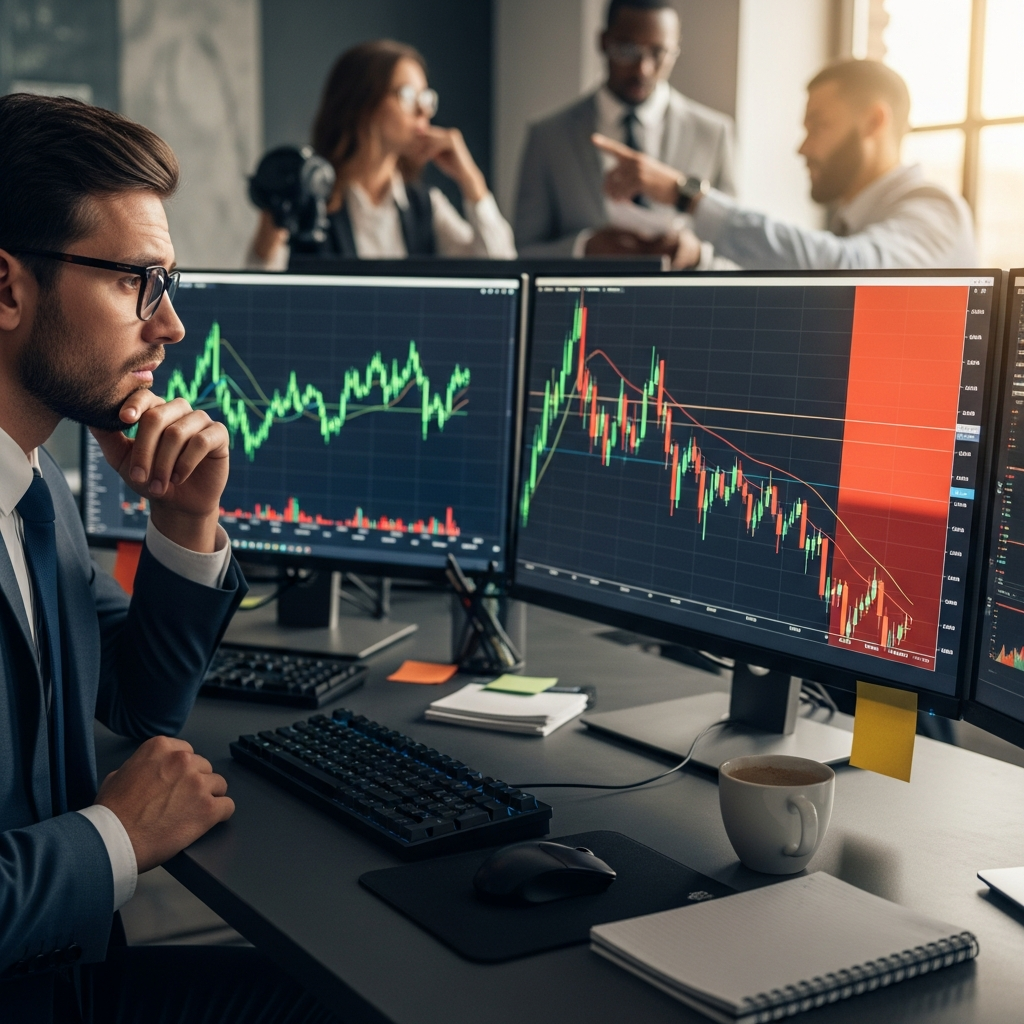

Nvidia Earnings Rally Fades Amid Rate and AI Bubble Worries
Overview
On Thursday, hopes for a sustained market rally led by Nvidia’s impressive earnings were dashed as stock indexes reversed course and ended the day lower. The early optimism was fueled by Nvidia’s strong third-quarter performance, which saw shares surge over 5% in after-hours trading Wednesday. Given Nvidia’s pivotal role in the artificial intelligence (AI) sector and its position as the largest company in the S&P 500, the results initially sparked a broader rally in technology stocks and major indexes.
A Strong Start at the Open
At the opening bell Thursday, Nvidia shares jumped 5.1%, while the S&P 500 and Nasdaq Composite both saw noticeable gains, rising 1.4% and 2.2% respectively. Investors and analysts alike predicted that Nvidia’s success would buoy the overall market throughout the session.
Reversal by Afternoon
However, the enthusiasm quickly faded. By the afternoon, both Nvidia and the major indexes were in negative territory. Nvidia stock closed Thursday down 3.2% compared to the previous day, and fell 7.8% from its intraday high. The S&P 500 lost 1.6% and the Nasdaq dropped 2.2% by the close.
What Derailed the Rally?
1) Interest Rate Uncertainty
Rising anxiety that the Federal Reserve would hold off on cutting interest rates in December weighed on sentiment. This concern intensified Thursday morning following the release of delayed September jobs data, which painted a mixed picture of the US labor market and stoked fears about tighter monetary policy.
2) Persistent AI Bubble Jitters
Doubts about whether AI stocks—despite Nvidia’s performance—are experiencing a speculative bubble also pressured the market. The recent news that hedge fund manager Michael Burry established bearish positions in Nvidia and Palantir added to these jitters.
AI Momentum vs. Valuation Concerns
Although Nvidia’s latest earnings helped ease fears of an AI bubble and affirmed robust demand for its market-leading graphics processing units (GPUs) in data centers, skepticism remains among some investors. For now, uncertainty about interest rates and broader concerns about technology valuations continue to drive market volatility.
Bottom Line
Thursday’s reversal highlights the fragile investor mood, with even strong earnings reports unable to overcome underlying economic and sector-specific anxieties.