

AI in Marketing: How Automation Helps Businesses Engage Customers
How AI Is Transforming Modern Marketing
Artificial intelligence is rapidly reshaping how businesses interact with their customers. Organizations that embrace AI are discovering new methods to engage audiences, streamline operations, and foster brand loyalty.
Enhancing Customer Support
AI-powered chatbots are available around the clock, offering quick and precise responses to customer inquiries, regardless of business hours. For example, in the automotive sector, dealerships use AI assistants to answer questions about vehicle models and inventory, improving the buying experience and generating more qualified leads. By integrating AI, businesses maintain consistent engagement with customers throughout their purchasing journey.
Seamless Handoffs and Data Integration
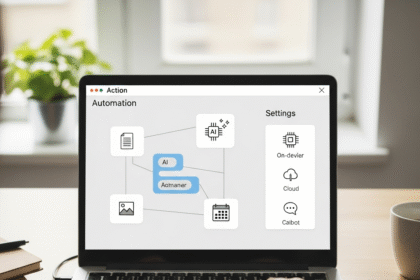
AI chatbots not only assist with basic questions but also provide detailed summaries of customer interactions. This information is seamlessly transferred to sales teams via customer relationship management (CRM) systems, ensuring conversations continue smoothly without requiring customers to repeat themselves. Marketers use these insights—including demographic data and shopping behaviors—to create targeted automations that move prospects toward a sale.
Predictive Analytics for Personalized Offers
AI’s predictive analytics help businesses anticipate customer needs and deliver relevant offers at the right moment. By analyzing past purchasing habits, companies can automate personalized campaigns—such as pre-filled carts for recurring orders or discounts on subscriptions. These strategies extend to high-value items, like vehicles, by leveraging data from service records and manufacturer recommendations to provide maintenance reminders or trade-in deals tailored to each client.
Streamlined Communication and Post-Purchase Engagement
Routine communications, such as order confirmations and shipment updates, can be automated with AI, giving sales teams more time to focus on complex tasks. Post-purchase automations keep customers engaged—providing tips, recommendations, and product guidance to enhance satisfaction and anticipation while they wait for delivery.
Monitoring Sentiment and Resolving Issues
AI quickly analyzes customer feedback from chatbots, social media, and reviews, helping businesses recognize issues before they escalate. Triggers can escalate concerns like shipping delays to human representatives for faster solutions. Access to real-time data enables marketing teams to respond effectively, adjust campaigns, and prepare public relations strategies if widespread problems arise.
Building Loyalty with Human-Centered Experiences
Ultimately, AI allows marketers to deliver personalized, empathic experiences at scale. Automation frees staff to focus on deeper customer relationships, while precise data insights help them anticipate needs and solve problems. As a result, customers feel more connected to brands—leading to increased loyalty, repeat business, and positive word-of-mouth.
As technological change accelerates, companies that integrate AI into their marketing strategies are better positioned to meet evolving customer expectations and stay ahead of competitors.