
Four Indicted in Nvidia Chip Smuggling Scheme to China
Headline: Four Charged in Scheme to Smuggle Nvidia Chips to China
Overview
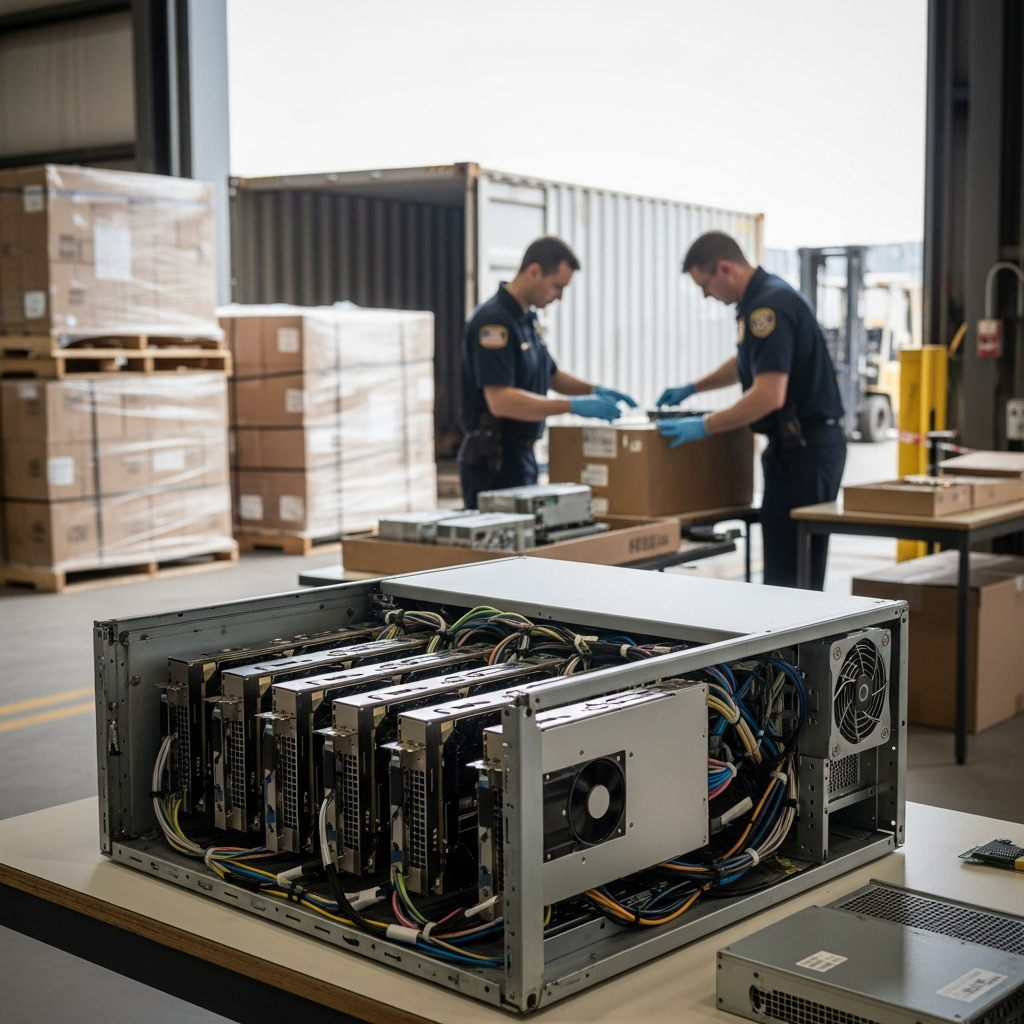
Federal prosecutors have charged four individuals from Florida, Alabama, and California with allegedly conspiring to illegally export advanced supercomputers and hundreds of Nvidia graphics chips to China. The indictment, made public in federal court, is part of ongoing US efforts to prevent the unauthorized transfer of high-tech components that could accelerate China’s artificial intelligence capabilities.
The Accused and Alleged Scheme
The accused—Hon Ning Ho, Brian Curtis Raymond, Cham Li, and Jing Chen—are believed to have used a fake real estate company in Florida to purchase Nvidia chips, later reselling them to Chinese firms. Authorities claim the group routed shipments through Thailand and Malaysia, countries flagged by US regulators as transit points for smuggled chips.
Hardware at Issue
- Approximately 400 Nvidia A100 GPUs
- An attempted shipment of 50 newer Nvidia H200 chips
- Ten Hewlett Packard Enterprise supercomputers containing Nvidia H100 processors
According to the indictment, two unnamed Chinese companies paid the defendants nearly $3.9 million for the shipments.
Potential End Use and Intent
Prosecutors argue the exported components—at the time, among Nvidia’s most advanced—could support Chinese government projects, including military, surveillance, and cyber operations. Text messages reviewed by investigators indicate one defendant knew about export restrictions and boasted that his father conducted similar business for the Chinese government.
Arrests and Charges
All four were arrested on Wednesday. Ho, described as the group’s leader, is in custody along with Chen and Li; Raymond has been released on bond. The defendants face potentially severe penalties, with charges carrying sentences of up to 20 years in prison.
Corporate Responses
Nvidia responded by affirming its strict oversight of all chip sales, including older models. Corvex, an AI cloud computing firm advised by Raymond, announced it had revoked his job offer and denied any involvement with the alleged activities.
Regulatory Backdrop
Earlier this year, the US Commerce Department considered tighter restrictions on semiconductor exports to Malaysia and Thailand to curb such smuggling, though no new regulations have been enacted yet.
Court Proceedings and Representation
A judge ordered Li to hire a private attorney, citing his significant assets, and scheduled a hearing to assess whether he should remain detained. Li holds both US permanent residency and citizenship in Hong Kong and reportedly intends to marry a US citizen soon. Legal representatives for Chen and Li declined to comment, while no responses were received from Ho and Raymond regarding the charges.