

How Software and Smart Grids Transform Energy Automation
How Software and Smart Grids Are Revolutionizing Energy Automation

The global energy sector is undergoing rapid transformation as advanced software and smart grid technologies redefine automation and efficiency. Propelled by rising energy demands and ambitious sustainability targets, companies are investing heavily in digital solutions to modernize outdated infrastructure and improve reliability.
Robotics and Field Automation
Robots and automation systems have expanded beyond factory floors. Today, drones inspect solar installations, autonomous vehicles survey power lines, and AI-driven bots maintain wind turbines, supporting safer and more efficient operations. These robotic advances, however, rely on sophisticated software that links hardware, manages sensors, and ensures coordinated control across the entire energy ecosystem.
EMS: The Operational Brain of Modern Networks
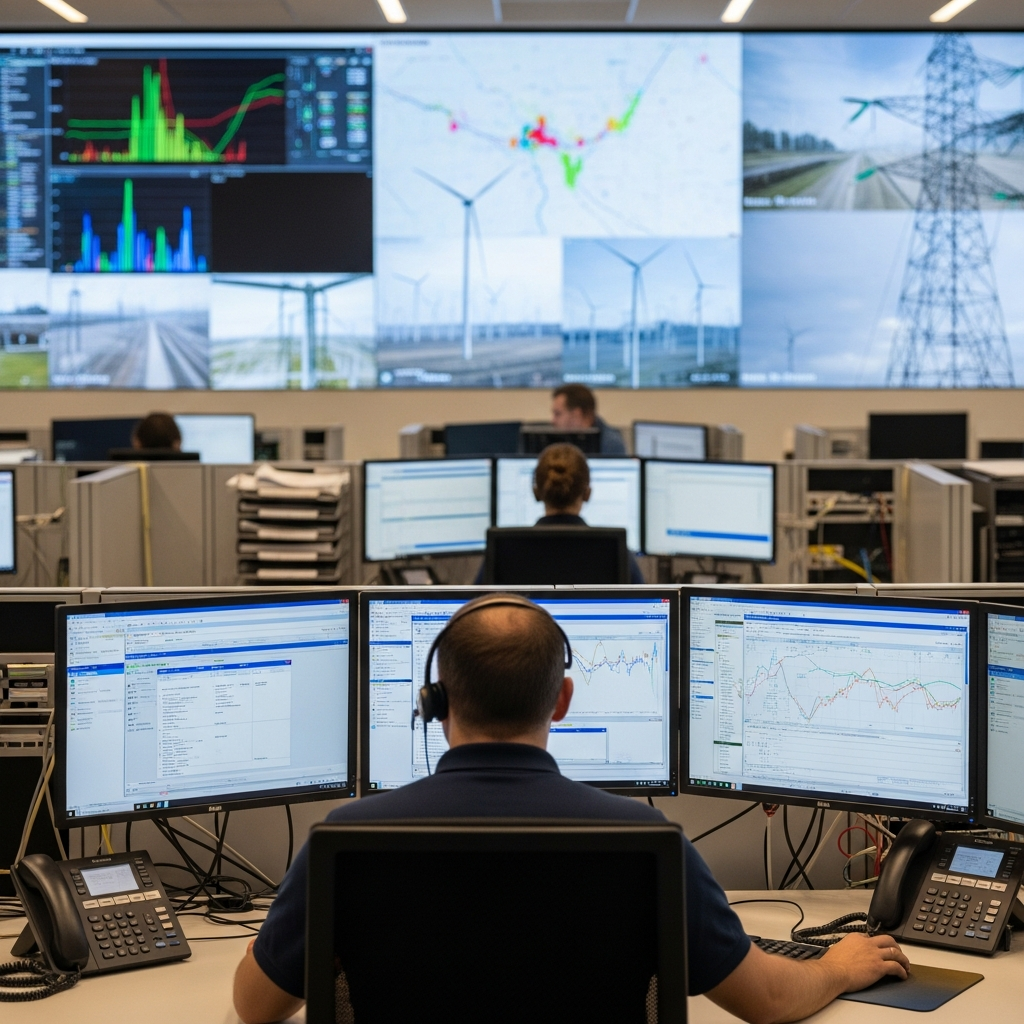
Central to this evolution is energy management software (EMS), which serves as the operational brain for modern energy networks. EMS analyzes real-time data from renewable plants, storage facilities, and industrial sites, optimizing energy production, consumption, and storage. According to industry data, such platforms can cut energy waste by up to 20% and enhance forecasting accuracy, helping balance variable renewable sources with grid stability.
Key Digital Components Powering Automation
- Modern SCADA systems paired with edge computing, enabling distributed assets like wind turbines to make adjustments instantly, even with limited central connectivity.
- AI and machine learning, which analyze vast datasets to predict maintenance needs, detect faults, and optimize system performance—lowering downtime and extending equipment lifespan.
- Digital twins, which create virtual models of energy networks or equipment to simulate scenarios and plan improvements, reducing outage risk and accelerating deployment.
- Blockchain platforms, supporting transparent and secure decentralized energy trading, and AI-enhanced cybersecurity tools to protect against growing cyber threats.
Smart Grids: Adaptive, Data-Driven Networks
Smart grids integrate these technologies into dynamic, interactive networks that adapt to real-time conditions. By connecting thousands of devices, from household meters to industrial substations, smart grids lower total energy usage and minimize outages. Consumers benefit directly, gaining tools to track and adjust their energy consumption, further reducing costs and waste.
Challenges on the Path to Digitalization
Despite the momentum, significant challenges remain. Utilities must upgrade legacy systems, some over two decades old, to integrate with modern platforms—a technically complex and costly process. The increasing connectivity also raises the risk of cyberattacks, with operational technology assets especially vulnerable. In addition, there is a shortage of specialists skilled in automation and AI, a gap that must be addressed to fully realize the potential of digital energy systems.
Industry Momentum and Hybrid Platforms
Nonetheless, major companies are forging ahead, blending traditional systems with cutting-edge technologies for smoother integration and more secure operations. Industry leaders like Siemens, ABB, and Hitachi Energy are pioneering hybrid platforms to support the transition.
The Road Ahead
Looking forward, intelligent software will continue to drive progress. The emergence of autonomous, self-optimizing grids and smart networks promises a more resilient and sustainable energy future. Automation is no longer just an operational advantage but a foundational shift—enabling the world’s power systems to learn, adapt, and self-manage as part of a cleaner, more flexible energy landscape.