AI Drives 48,000 U.S. Job Cuts as Automation Surges in 2025

 
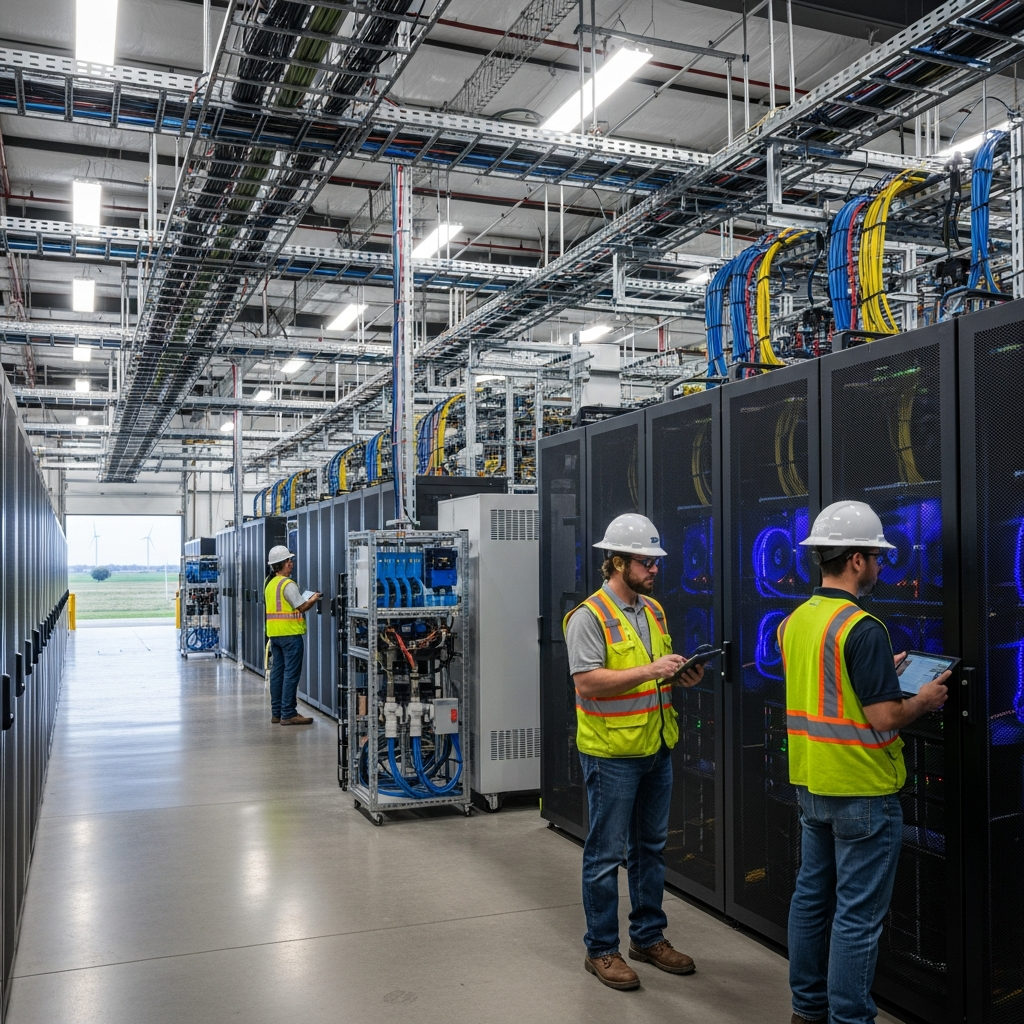
Servers and AI infrastructure symbolizing automation and workforce transformation

AI Drives 48,000 U.S. Job Cuts as Automation Surges in 2025

AI Blamed for 48,000 U.S. Job Cuts as Automation Rises

Artificial intelligence has played a major role in nearly 48,400 U.S. job reductions so far in 2025, with a staggering 31,000 layoffs attributed to AI in October alone. Tech companies, as well as businesses in aviation and finance, are citing efficiency gains from automation while navigating complex economic pressures.

48,400+

U.S. job cuts linked to AI in 2025 to date

31,000

Layoffs tied to AI in October alone

~20%

Share of U.S. planned layoffs attributed to AI last month

The numbers behind the cuts

According to outplacement firm Challenger, Gray & Christmas, AI contributed to about one-fifth of all planned U.S. layoffs last month. Nearly 48,400 job reductions have been linked to artificial intelligence so far in 2025, paced by an October surge of roughly 31,000 cuts.

AI contributed to about one-fifth of all planned layoffs in the U.S. last month.

Who is making the cuts, and why

Companies across industries are invoking AI as they restructure. Deutsche Lufthansa plans to eliminate 4,000 administrative roles by decade’s end partly due to automation. ING Groep has warned that up to 1,000 jobs are at risk, while Krafton has instituted a hiring freeze as it pivots to an “AI-first” strategy.

Where firms once avoided citing AI to prevent backlash, many now frame downsizing as preparation for an automation-centric future. This shift has drawn attention from policymakers, including Federal Reserve Chair Jerome Powell, and stirred debate over whether AI is a primary cause or a convenient narrative amid broader business pressures.

Overexpansion meets automation

Some analysts point to post-pandemic overexpansion, particularly in tech, as a root cause of today’s right-sizing. George Denlinger of Robert Half notes that many firms were left with outsized workforces after the boom. Experts caution that while AI is reducing manual workloads, it may also be overstated as a rationale for cuts that stem from broader operational or market challenges.

Investment shifts: trimming to fund AI

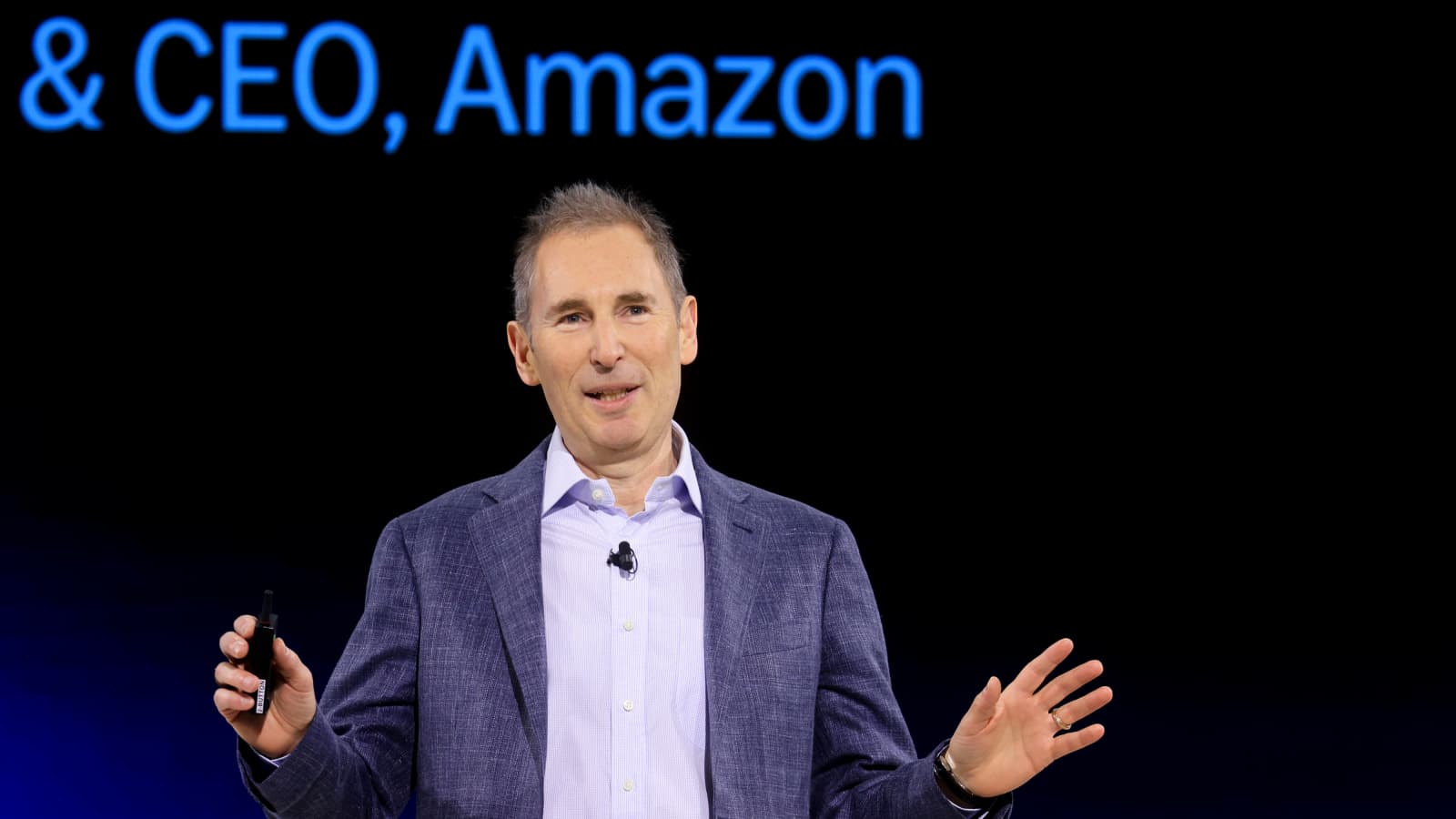
Tech giants including Amazon, Microsoft, and Oracle are reallocating budgets to build AI infrastructure. Amazon’s CEO, Andy Jassy, said in June that AI would eventually lead to a leaner workforce, later clarifying that some recent reductions stemmed from organizational inefficiencies rather than AI alone, yet the broader pivot underscores automation’s strategic pull on capital.

Where automation is biting first

AI agents capable of managing customer support, contracts, and HR tasks are already reshaping headcounts, especially in high-volume, repetitive roles. IBM reports saving $4.5 billion this year by automating repetitive work. Leaders at C.H. Robinson Worldwide and SPMB confirm automation is reducing hiring needs and active headcount in manual-intensive functions.

Hiring decisions are changing

Shopify’s CEO says teams must first show why AI can’t do the work before requesting additional staff. ServiceNow’s Bill McDermott notes that AI agents operate continuously without benefits or downtime, reshaping cost calculations for routine tasks.

Early days, with big implications

Despite rapid adoption, it’s still early for generative AI and automation. Recruiters report uncertainty around day-to-day integration. Goldman Sachs forecasts AI could prompt a 4% reduction in headcount among its clients next year, rising to 11% over three years; the firm itself has signaled further layoffs as it seeks to maximize AI’s potential.

The bottom line

AI-driven automation is accelerating, and increasingly cited, as companies redesign workflows and budgets. Whether as a primary cause or a catalyst among many, automation is influencing hiring freezes, restructuring decisions, and long-term strategy.

As businesses balance promise and risk, the labor market should brace for continued reshaping, and potentially more job reductions, in the months and years ahead.


 

Google Nano Banana Pro: Unlimited AI Images, Cheap Via Adobe


Google Nano Banana Pro: Unlimited AI Images, Cheap Via Adobe

Google Releases Nano Banana Pro: An Affordable Way to Create Unlimited AI Images

Discover how to access Google’s latest AI image model for free or at a discount, especially via Adobe’s limited-time promotion.

Overview

Google has launched Nano Banana Pro, the latest upgrade to its AI-powered image generation tool, coinciding with a rare Adobe Firefly promotion. This release follows Gemini 3, Google’s revamped AI chatbot introduced earlier this week.

Building on the original Nano Banana model, which quickly amassed over 10 million users and produced more than 5 billion images, Nano Banana Pro focuses on higher fidelity, better text rendering, and more flexible creative control.

What’s New in Nano Banana Pro

  • Enhanced text generation in images for clearer, more accurate typography.
  • 4K upscaling to boost detail and print-ready quality.
  • Multiple reference images per prompt to guide style, subject, and composition.
  • Improved AI-generated content detection to help identify synthetic media as realism advances.

Key Stats

  • 10M+ users on the original Nano Banana
  • 5B+ images generated since summer
  • Pro adds 4K, better text, multi-reference support

Promotion Window

Adobe Creative Cloud & Firefly: unlimited Nano Banana Pro image generations through December 1.

Where You Can Use Nano Banana Pro

Google’s Platforms

  • Gemini: Available for free; usage reverts to the standard model after the free quota, with optional paid upgrades.
  • Developer APIs and Vertex AI: Build Nano Banana Pro into apps and workflows.
  • Google Antigravity platform: Newly unveiled access point for creative tooling.
  • Enterprise access: Rolling out soon.

Adobe Integration

Nano Banana Pro is integrated into Adobe Firefly and Photoshop’s Generative Fill. Through December 1, Adobe’s promotion enables unlimited image generations using Nano Banana Pro for Creative Cloud and Firefly users.

Pricing, Credits, and Value

  • Adobe (promo through Dec 1): Unlimited generations via Firefly and Photoshop’s Generative Fill.
  • Adobe Firefly (regular): 2,000 credits/month at the lowest tier (~$10/month).
  • Google One: ~$20/month plan with AI features; separate $250 unlimited plan also noted.
  • Google AI Pro: 1,000 credits/month plus extras like additional Google storage.

How to Get the Best Deal Right Now

  1. Use Gemini for free access to Nano Banana Pro until your quota is reached.
  2. Leverage Adobe’s unlimited promotion through December 1 for heavy image generation needs.
  3. After the promo, consider Adobe Firefly’s $10/month plan for 2,000 monthly credits, often more affordable than Google’s higher-tier options.

Which Option Fits You?

  • Casual creators: Try Nano Banana Pro on Gemini for free; upgrade only if you hit limits.
  • Designers and photographers: Use Adobe’s Firefly and Photoshop integration for workflow-friendly generation, take advantage of the unlimited promo window.
  • Teams and developers: Consider Vertex AI or APIs for scalable, programmable access and enterprise controls.

Bottom Line

With Nano Banana Pro, Google offers a feature-rich upgrade to AI image generation, now easier and cheaper to try thanks to Adobe’s limited-time promo and free access on Gemini. Weigh platform fit, feature needs, and subscription price to choose the most cost-effective path.


US Charges Four in Illegal Nvidia Chip Smuggling to China


US Charges Four in Illegal Nvidia Chip Smuggling to China

US prosecutors indict four men for smuggling Nvidia chips to China, bypassing export restrictions through a Tampa-based front company.

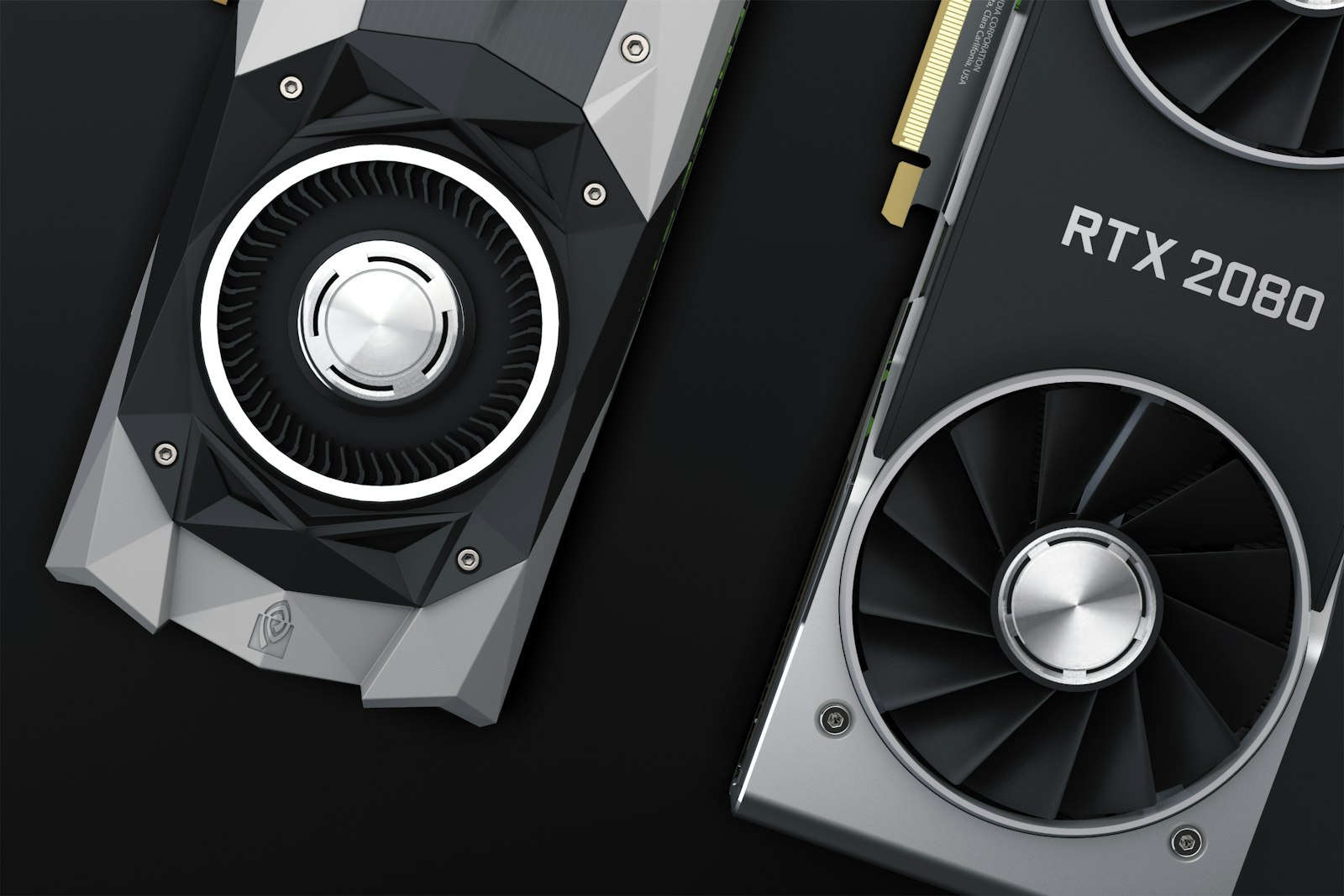
Nvidia high-performance graphics processors

Key Points

  • Federal prosecutors charged two Chinese nationals and two Americans in an alleged scheme to ship advanced Nvidia chips to China.
  • Authorities say a fake Tampa real estate business and a routing path through Malaysia were used to evade US export controls.
  • No Commerce Department export licenses were obtained, according to the indictment.

Overview of the Indictment

Federal prosecutors have indicted two Chinese nationals and two Americans, accusing them of orchestrating an illegal export operation involving advanced Nvidia computer chips bound for China. The group allegedly shipped hundreds of high-performance Nvidia chips to China, circumventing strict US export regulations designed to protect national security interests.

How the Scheme Worked

According to the indictment issued on Wednesday, the defendants established a fake real estate business in Tampa, Florida. This front company was used to disguise the movement of the chips, routing them through Malaysia before they reached their final destination in China. Authorities say none of the required export licenses from the US Commerce Department were obtained during the operation.

International shipping containers highlighting global trade routes

Why These Chips Matter

The chips in question, known for their capabilities in artificial intelligence and data processing, are subject to export controls due to their potential military and strategic applications. US officials have heightened regulations around the export of such technology in recent years amid growing concerns about its use in national security and defense projects overseas.

Enforcement and Geopolitical Context

The indictment highlights ongoing efforts by US law enforcement to address the illegal export of sensitive technology and maintain oversight of materials that could compromise national security. Investigations into technology transfers have intensified as geopolitical competition in the chip sector rises, especially between the US and China.

What’s Not Yet Known

The case serves as a reminder of the challenges in enforcing export controls and the methods used to bypass them. Authorities have not disclosed further details about the individuals involved or the total value of the smuggled chips.

Headline

US Charges Four Over Illegal Nvidia Chip Exports to China


R Systems Named UiPath Diamond Partner, Fast Track Agentic Automation


R Systems Named UiPath Diamond Partner, Fast Track Agentic Automation

R Systems Achieves UiPath Diamond Partner Status

UiPath Diamond Partner Agentic Automation Fast Track Partner

R Systems International Ltd., a global digital product engineering company, has been recognized as a UiPath Agentic Automation Fast Track Partner and elevated to Diamond Partner status within the UiPath Partner Network. These distinctions highlight R Systems’ advanced capabilities in intelligent automation and its commitment to driving digital transformation for enterprises worldwide using UiPath’s AI-powered automation platform.

What the Fast Track Partner Recognition Means

The Fast Track Partner recognition is awarded to select partners who have received early access and specialized training in UiPath’s agentic automation technologies. Such partners identify new applications where AI agents can streamline full process automation and provide valuable input for further development of UiPath solutions. This demonstrates R Systems’ leadership in combining AI agents, robots, human expertise, and other tools to orchestrate end-to-end enterprise automation.

Diamond Partner: UiPath’s Highest Tier

Diamond Partner status is the highest tier within the UiPath Partner Network, signifying R Systems’ excellence in sales performance, technical knowledge, and the delivery of comprehensive automation solutions. This partnership enables R Systems to continue designing AI-driven automation frameworks that enhance productivity, optimize business operations, and transform customer experiences.

Key highlights

    • – Early access and specialized training in agentic automation
    • – Proven ability to orchestrate AI agents, robots, and human-in-the-loop collaboration
    – Top-tier delivery excellence across strategy, implementation, and support

Voices from the Ecosystem

“R Systems has distinguished itself through hands-on training and co-innovation with the UiPath Platform, helping customers realize the benefits of agentic automation. We are pleased to recognize their automation leadership and commitment to ushering in a new era for our customers globally.”

, Joey Chong, Regional Vice President, Partner and Ecosystem, South Asia at UiPath

“Our automation roadmap has advanced significantly thanks to their expertise. As we move toward Agentic Automation, we look forward to new opportunities and ongoing acceleration in our automation journey.”

, Adnan Sharafat, ERP Senior Manager at Shelf Drilling

“Our continued recognition by UiPath underscores our dedication to purpose-driven automation – solutions that amplify human potential and deliver real business value. We remain committed to advancing Agentic AI adoption and strengthening our capabilities in this field.”

, Sidhartha Dubey, Chief Information Security Officer and Senior Vice President, Digital Operations Services at R Systems

Why It Matters for Enterprises

With UiPath’s agentic automation and R Systems’ implementation expertise, organizations can:

  • Automate complex, end-to-end business processes with AI agents and human-in-the-loop orchestration
  • Improve productivity and operational resilience with scalable, secure automation
  • Enhance customer experiences through faster, more accurate, and adaptive workflows

About UiPath and R Systems

UiPath (NYSE: PATH) is a worldwide leader in agentic automation, helping organizations automate and optimize complex business processes through AI agents. Its platform supports secure, scalable automation to help enterprises realize the full potential of AI transformation. R Systems, headquartered across 25+ global locations, partners with top technology firms like UiPath to deliver scalable, impactful automation and digital solutions.

For more information on UiPath, Shelf Drilling, or R Systems, please visit their respective websites.


Will AI Replace Doctors? The Role of AI in Healthcare

 
AI technology supporting doctors and healthcare

Will AI Replace Doctors? The Role of AI in Healthcare

AI in Healthcare: Enhancing, Not Replacing Doctors

Artificial intelligence is increasingly being adopted in healthcare, offering support in diagnostics and administrative tasks. While tools are growing remarkably capable, clinicians who embrace AI will likely outpace those who don’t, because human judgment and patient relationships remain at the heart of care.

How AI Is Transforming Healthcare

Innovations such as Microsoft’s recently introduced AI diagnostic tool, reported to outperform physicians in identifying complex medical cases, signal the sector’s rapid evolution. Beyond diagnostics, AI is helping reduce administrative burden so clinicians can focus more on patients and less on paperwork.

  • Diagnostic support: pattern recognition in imaging, lab results, and presenting symptoms.
  • Workflow automation: documentation, billing codes, and scheduling assistance.
  • Triage and decision support: surfacing risks and evidence-based options.
  • Predictive analytics: identifying at-risk patients for earlier interventions.
  • Patient engagement: reminders, education, and follow-up nudges at scale.

Experts Agree: AI Augments, It Doesn’t Replace

Zubin Daruwalla, head of clinical innovation at Singapore’s National University Hospital, emphasized at the Fortune Innovation Forum that clinicians who adopt technology will outpace those who resist it. Rather than replacing doctors, AI is poised to become a valuable ally.

Yingying Gong, founder of Yidu Tech in China, echoed this view. Facing an aging population and heavy physician workloads, Yidu Tech developed an AI copilot to support doctors in their daily responsibilities. According to Gong, healthcare providers have readily embraced AI to ease their workload.

AI can supercharge clinicians, not sideline them. Those who learn to work with it will lead the future of care.

Real-World Applications Gaining Traction

Early, Non-Invasive Detection

AI-powered tools can identify diseases earlier and with less invasive methods. Chin Keat Chyuan, president of KPJ Healthcare Berhad, underscored the importance of prevention and early detection, areas where machine learning is already proving its value, including in screening for conditions like lung cancer.

Clinical Copilots for Daily Workflows

From summarizing patient histories to drafting notes and surfacing differential diagnoses, AI copilots reduce cognitive and administrative load so physicians can spend more time with patients and less time with keyboards.

Operational Efficiency Across Systems

Hospitals are deploying AI to streamline throughput, optimize staffing, and predict demand. These improvements cascade into shorter wait times and more reliable access to care.

Adoption Hinges on Training and Change Management

Effective adoption depends on comprehensive training. Daruwalla noted that insufficient training leads to frustration and a tendency to abandon new technologies in favor of familiar methods. Structured onboarding helps teams build confidence and trust in AI recommendations.

  • Hands-on training and simulation before live use.
  • Clear guidance on scope, limitations, and responsible use.
  • Clinician feedback loops to improve model performance.
  • Transparent metrics for safety, accuracy, and equity.

Why Human Expertise Still Matters

While AI excels at analyzing medical data, aspects of care such as cultural understanding, contextual decision-making, and empathy are best handled by experienced clinicians. As Chin of KPJ noted, patients choose hospitals for their trusted clinicians, not solely for advanced AI tools.

  • Contextual nuance: interpreting data within a patient’s lived experience.
  • Ethical judgment: weighing trade-offs that data alone can’t resolve.
  • Communication: building trust, explaining options, and aligning on goals of care.
  • Accountability: clinicians remain responsible for final decisions.

Bottom line: AI will elevate healthcare by amplifying clinicians’ capabilities, not by replacing them. The winning formula is smart tools + trained teams + human-centered care.


As AI continues to mature, organizations that invest in clinician education, clear governance, and patient-centered design will see the greatest gains, in outcomes, efficiency, and trust.


Virtual Controller Market to Reach $4.5B by 2035: SDA Drives Growth


Virtual Controller Market to Reach $4.5B by 2035: SDA Drives Growth

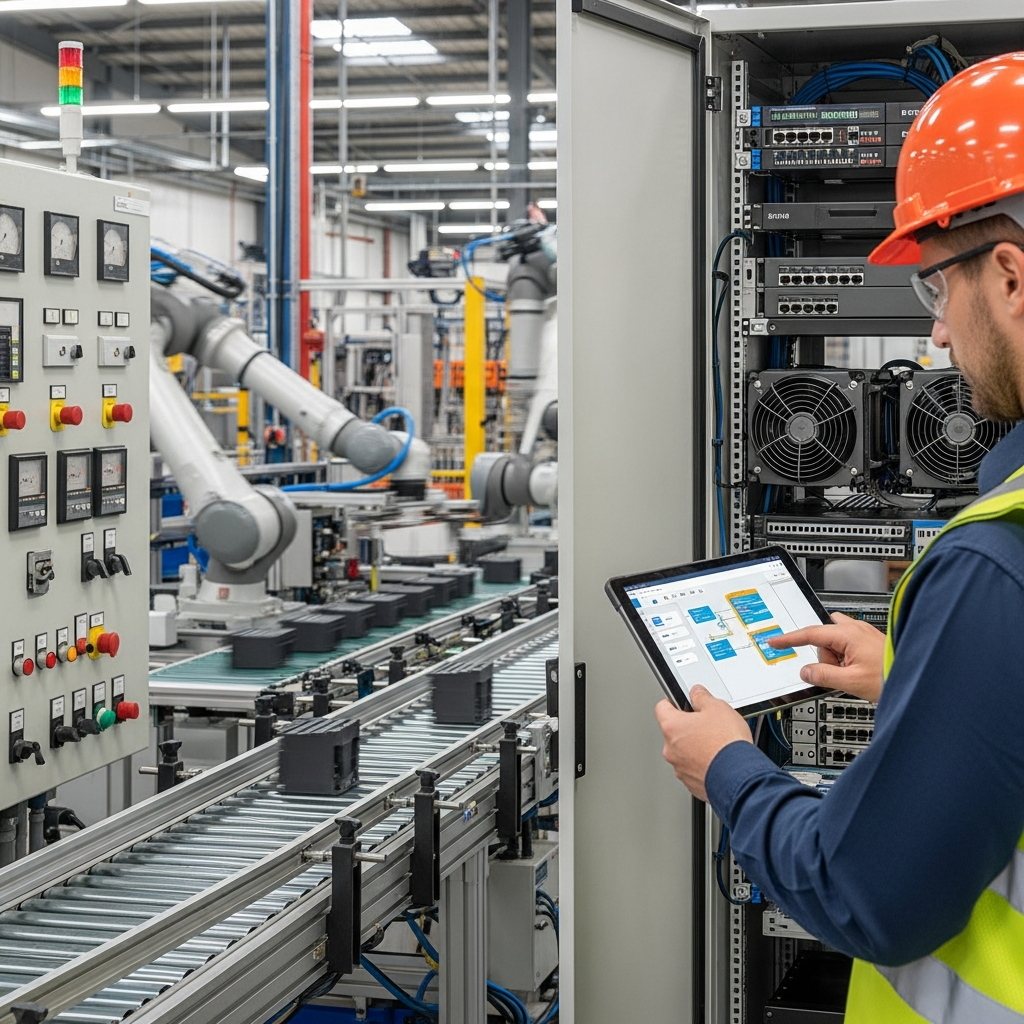
Software-Defined Automation Paves Way for Industrial Transformation

Key takeaways

  • Virtual and soft controllers within SDA are projected to reach $4.5 billion by 2035.
  • Represents a 28.2% CAGR over the next decade.
  • Growth driven by modernization needs, efficiency gains, and workforce shortages.

SDA Momentum: Why It’s Accelerating Now

The market for software-defined automation (SDA) is experiencing rapid growth as industries seek to modernize their automation systems, according to new findings from ABI Research. This transition is prompted by the need for increased operational efficiency and the challenges posed by workforce shortages, making it difficult for companies to continue relying on outdated infrastructure.

Forecast: Virtual and Soft Controllers Surge to $4.5B

ABI Research projects that the virtual and soft controller sector within SDA will reach a value of $4.5 billion by 2035, representing a compound annual growth rate (CAGR) of 28.2% over the next decade.

James Prestwood, Senior Analyst at ABI Research, noted that the industrial automation landscape is moving towards a software-centric model, with early adoption by large manufacturers and strong interest from technology vendors. The shift towards SDA is particularly attractive for new facilities, though older plants are also expected to upgrade as legacy hardware becomes obsolete.

Who’s Leading the Charge

Leading suppliers driving this evolution include Bosch Rexroth, CODESYS, Phoenix Contact, Schneider Electric, Siemens, and SUPCON. These companies are actively developing SDA solutions and encouraging clients to embrace virtual and soft controllers.

From Rigid to Flexible: What Changes on the Plant Floor

Prestwood highlighted the broader impact of SDA, saying it will transform manufacturing operations from rigid, closed systems to flexible, IT-driven environments. Such flexibility is essential for future-proofing industrial processes and meeting changing production demands. The adoption of virtual controllers is seen as a central component in this evolution, promising robust growth for the sector.

Why It Matters

  • Decouples software from hardware, enabling faster iteration and scaling.
  • Eases skill constraints by leveraging IT-native tools and workflows.
  • Supports greenfield deployments while offering clear upgrade paths for brownfield sites.

Report Source and Context

The insights are drawn from ABI Research’s latest market data report on industrial automation, which focuses on software-defined automation trends and is part of their comprehensive research into industrial and manufacturing technologies.

About ABI Research

ABI Research is recognized for its expertise in connecting technology providers with end users. The firm offers in-depth research and guidance to support successful technology adoption and customer retention strategies.

For more information about ABI Research and its services, interested parties can visit the company’s website or contact their global offices.


Microsoft inks $9.7B IREN deal for Nvidia AI chips


Microsoft inks $9.7B IREN deal for Nvidia AI chips

Microsoft signs a five-year, $9.7B deal with IREN for guaranteed access to Nvidia AI chips via Dell, easing compute bottlenecks; IREN shares surge over 20%.

At a glance

  • Deal size & term: $9.7B over five years
  • Partners: Microsoft, IREN (data centers), Dell (hardware supplier)
  • Chips: Nvidia GB300, supplied by Dell under a ~$5.8B order
  • Market reaction: IREN +20% pre-market; Dell +5%
  • Deployment: Phased through 2026 at IREN’s 750MW Childress, Texas campus
  • Capacity: IREN operates 2,910MW across North America, all renewable-powered
  • Safeguards: Microsoft can terminate if delivery timelines aren’t met

Overview

Microsoft has signed a five-year, $9.7 billion agreement with data-center operator IREN that guarantees access to advanced Nvidia processors, a move aimed at easing the company’s acute shortage of AI computing capacity. The news sent IREN shares up more than 20% in pre-market trading on Monday, while Dell gained about 5% as a key hardware supplier in the rollout.

How the deal works

Under the deal, Microsoft will tap IREN’s infrastructure rather than build new facilities or secure additional power, accelerating access to high-performance AI compute while avoiding heavy upfront spending on chips that can quickly be superseded. Dell will supply IREN with Nvidia’s GB300 chips and related equipment under a contract worth roughly $5.8 billion, capacity that Microsoft will ultimately use.

IREN said in a regulatory filing that cash from Microsoft’s upfront payment will help finance part of the Dell order. The agreement includes a termination clause that allows Microsoft to exit if IREN fails to meet delivery timelines, underscoring the urgency around bringing new AI capacity online.

Why it matters

The partnership comes as demand for AI infrastructure surges across the tech sector, with recent earnings from major firms citing capacity constraints as a drag on growth. Microsoft has acknowledged those limits: CFO Amy Hood last week said the company now expects its AI compute crunch to persist until at least mid-2026, extending a prior expectation for relief by year-end.

Capacity and deployment

IREN’s footprint offers immediate scale. The company, whose market value stands at about $16.52 billion after its stock surged more than sixfold this year, operates multiple North American data centers with a combined 2,910 megawatts of capacity, all powered by renewable energy.

Nvidia processors for the deal will be deployed in phases through 2026 at IREN’s 750-megawatt campus in Childress, Texas. The site will add liquid-cooled data centers expected to deliver around 200 megawatts of critical IT capacity, expanding resources for training and running AI models.

Strategic implications

  • Speed to capacity: Bypasses long lead times for power and construction.
  • Financial flexibility: Reduces exposure to rapid chip depreciation cycles.
  • Risk controls: Delivery-linked termination clause keeps execution on track.

Market impact and outlook

By leveraging IREN and Dell, Microsoft aims to scale AI services more quickly and flexibly, while limiting exposure to rapid chip depreciation and the long lead times for power and construction. Execution now hinges on IREN meeting schedule commitments and bringing the Texas capacity online as planned.

Headline: Microsoft seals $9.7B IREN pact for Nvidia AI chips


Google unveils Project Suncatcher for space AI compute


Google unveils Project Suncatcher for space AI compute

Project Suncatcher targets AI compute in space

Overview

Google has unveiled Project Suncatcher, a long-term research push to explore running large-scale machine learning in space. The idea is to create an interconnected constellation of solar-powered satellites carrying Google Tensor Processing Unit (TPU) chips, tapping abundant sunlight to expand computing capacity beyond Earth.

Announcement and early research

Announced November 4, 2025 on Google’s The Keyword blog, the effort follows the company’s tradition of “moonshot” projects, such as autonomous vehicles and quantum computing. Google released an initial preprint that lays out early findings on satellite constellation architecture, attitude control, and communications, as well as results from radiation testing of TPU hardware.

Prototype mission with Planet

The next milestone is a learning mission with Planet, the Earth imaging company. The partners plan to launch two prototype satellites by early 2027 to test hardware in orbit and validate core assumptions about performance, resilience, and operations. Insights from this flight will inform whether space-based compute can one day complement terrestrial data centers by easing power constraints and scaling AI training and inference.

Why it matters

Google emphasizes that Suncatcher is exploratory research with significant engineering challenges ahead. Still, the company sees promise in off-planet solar energy and distributed satellite networks as a pathway to massively scalable, energy-rich computation in the future.

If the prototypes succeed, they could pave the way for subsequent missions and, eventually, a new layer of AI infrastructure in orbit.

At a glance

  • Project: Space-based ML using solar-powered satellites with Google TPU chips
  • Announced: November 4, 2025 (The Keyword)
  • Partner: Planet (Earth imaging company)
  • Next step: Two prototype satellites targeted by early 2027
  • Goal: Validate performance, resilience, and operations for space compute

Note: Project Suncatcher is an exploratory initiative; results from the prototype mission will guide future development.


How Amazon gains from $38B OpenAI AWS deal


How Amazon gains from $38B OpenAI AWS deal

OpenAI has signed a seven-year, $38 billion agreement with Amazon Web Services (AWS) to secure the cloud computing power it needs to scale its AI models. The arrangement begins immediately, with full planned capacity due by the end of 2026 and flexibility to expand from 2027 onward. It’s the company’s first major move since restructuring last week, which removed Microsoft’s first right of refusal on compute and opened the door to a multi‑cloud strategy.

By diversifying its infrastructure providers, OpenAI reduces reliance on a single partner and improves access to the massive, dependable compute required to train and serve cutting‑edge AI systems like ChatGPT. The shift marks a significant strategic turn toward resilience and growth at global scale.

What the deal includes

  • AWS will deploy hundreds of thousands of advanced AI chips, among them Nvidia’s GB200 and GB300 accelerators, in large data clusters purpose‑built for OpenAI’s workloads.
  • The capacity will support two critical needs: training the next generation of frontier models and powering real‑time responses for consumer and enterprise applications.
  • OpenAI starts using AWS now, with capacity ramping through 2026 and options to grow further after 2027.

Why it matters for Amazon

The contract serves as a high‑profile endorsement of AWS’s ability to deliver AI compute at scale, countering concerns that Amazon had fallen behind Microsoft and Google in the AI race. Analyst Paolo Pescatore of PP Foresight called it a major validation of AWS’s compute capabilities to meet OpenAI’s demanding requirements.

AWS has been building an AI platform around custom infrastructure and a portfolio of third‑party and open models available through Amazon Bedrock. The OpenAI deal strengthens AWS’s position as a go‑to backbone for large AI deployments.

OpenAI’s long‑term compute push

CEO Sam Altman has laid out an expansive vision for building the world’s AI infrastructure. He has said OpenAI aims to invest roughly $1.4 trillion to develop about 30 gigawatts of compute capacity, an energy draw comparable to powering around 25 million U.S. homes. The ambition is to eventually add 1 gigawatt per week, at a capital cost he has estimated at more than $40 billion per gigawatt. The AWS pact is a significant step toward securing the reliable compute needed for that roadmap.

Market reaction

Investors responded swiftly. Amazon shares climbed about 5% on Monday to a record high, adding nearly $140 billion in market value. Microsoft’s stock dipped briefly following the news. The market move underscores expectations that AWS will play a central role in supplying infrastructure to leading AI companies.

The bottom line

OpenAI’s $38 billion commitment anchors a multi‑cloud future and locks in massive compute to advance frontier AI. For Amazon, it is a marquee win that reinforces AWS as core infrastructure for AI development and deployment, signaling a new phase in the race to secure chips, power, and scale for next‑generation models.


Paytm teases AI features; Groq partnership announced


Paytm teases AI features; Groq partnership announced

Paytm teases new AI features ahead of Nov 6 reveal

Event
November 6, 3:30 PM IST

Paytm is gearing up to unveil new artificial intelligence features, with founder Vijay Shekhar Sharma hinting at what’s coming in a teaser shared on Thursday. The reveal is scheduled for November 6 at 3:30 PM.

What the teaser hints at

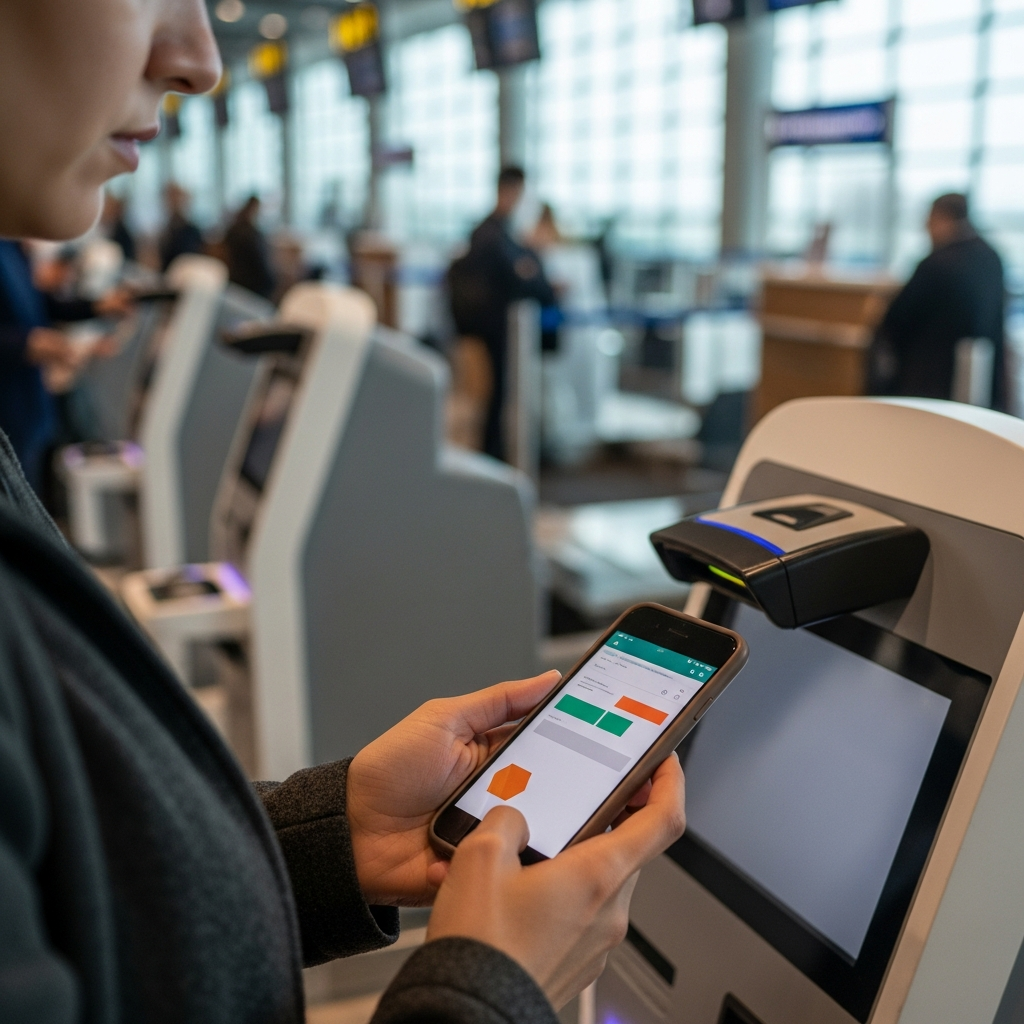
A promotional poster from the company suggests it will apply generative AI to make travel check-ins smoother. On X (formerly Twitter), Sharma wrote:

“We got something new tomorrow ! Check in here :).”

Specific capabilities weren’t disclosed.

AI in travel, the broader context

The teaser arrives as travel platforms increasingly lean on AI. Earlier this year, MakeMyTrip rolled out “Myra,” a virtual travel agent that assists with planning, bookings, cancellations, and refunds. It also introduced an AI-powered semantic search to find hotels and homestays using natural-language queries, reducing the need for multiple filters.

Groq partnership: faster, cost‑efficient AI at scale

Separately, Paytm announced a partnership with US-based Groq to bring faster and more cost‑effective AI to its platform. The company plans to use GroqCloud and Groq’s purpose-built Language Processing Unit (LPU) to speed up and scale AI inference compared to conventional GPU-based systems.

Where Paytm plans to apply it

  • Transaction processing
  • Risk assessment
  • Fraud detection
  • Customer engagement

Existing AI capabilities at Paytm

The fintech firm noted it already uses AI for:

  • Risk modeling
  • Fraud prevention
  • Customer onboarding
  • Personalization

What to watch

  • Feature reveal on November 6 at 3:30 PM
  • Details on generative AI for travel check-ins
  • How Groq’s LPU and GroqCloud integrate into Paytm’s stack

More details on the new features are expected at the November 6 event.